On 14 October we filled the 100 Room at One Hundred Shoreditch with brand marketers, creators and a very good breakfast, and spent the morning with our friends at Stereo Creative talking about one idea: you can’t bullsh*t belonging.
Fandom first
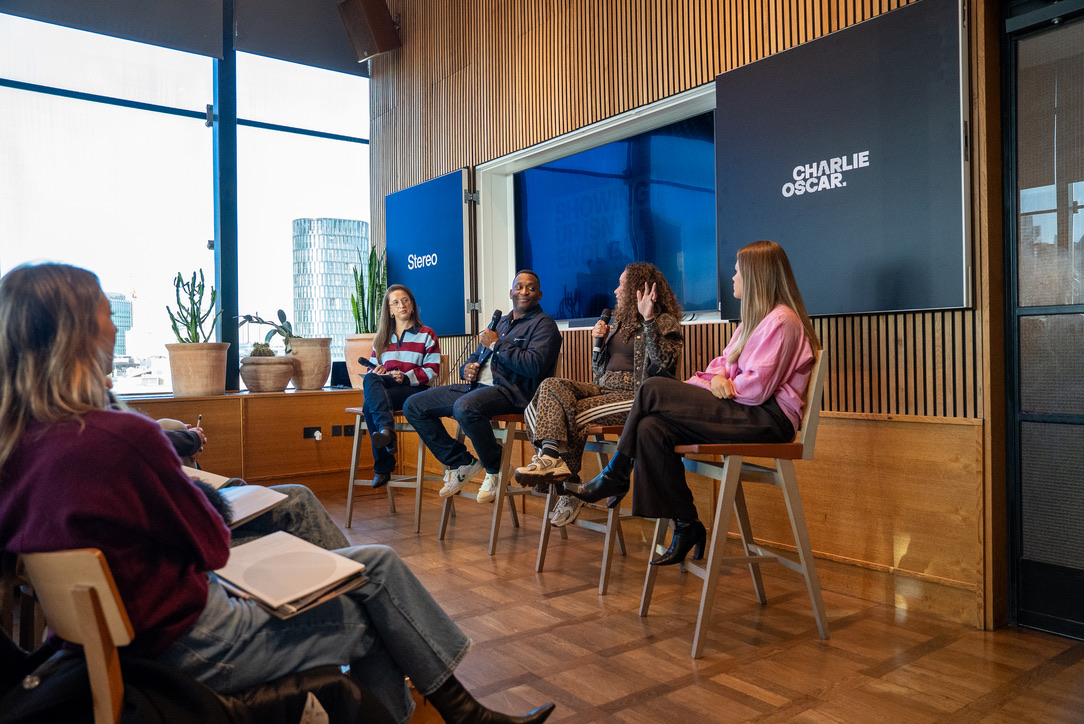
Becky Martin from Stereo opened the morning with Steven Bramble (84X), Kerry Williams (MARCHON) and Ellie Cross (Starling Bank) on women’s sport fandom. Women’s sport is a huge passion of mine, so I loved watching from the side. The point that stuck with me was that being close to a culture doesn’t make you relevant to it. You need a real right to be there, something the community values once you’ve arrived, and the nerve to hand over some control. As Steven put it: “People and communities give things meaning. Brands can enable that, but they can’t own where it goes next.”
Also, if you haven’t been to a women’s game yet, please go. Some of them do bottomless brunch. You’re welcome.
Then it was our turn
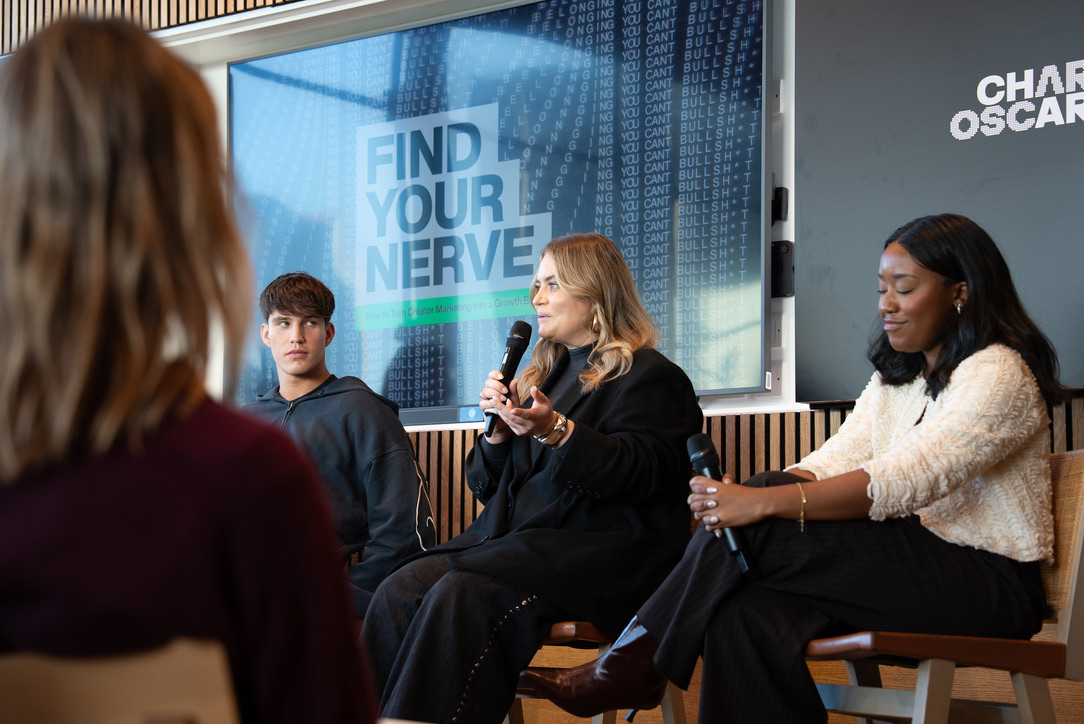
Our session, Find Your Nerve, came out of six months of the team getting properly under the skin of the creator market. I was joined by YouTuber Joe Fazer, Maz Madzima from YouTube’s creator partnerships team, and our head of influencer, Sasha Jeppesen. Joe introduced himself as “the influencer” and Maz as “the brand”, which set the tone nicely.
Ten years ago we were fighting for influencer marketing to get a seat at the table. Now everyone wants to know how to make it pay. These are the five things I took away.
- Measurement got creators into the boardroom. Sasha was clear that vanity metrics mean nothing to a CFO. MMM and paid amplification (partnership ads on Meta, TikTok Spark Ads, YouTube) put a revenue number on the channel, and that’s what unlocks real investment.
- Trust the creator. Really trust them. Joe has worked with Myprotein for seven years and has watched their briefs change from “follow this exactly” to “here’s the product, here are a few guidelines, you’re the creator for a reason.” Then he told us about Five Guys. Their brief for the new lettuce burger had four points. Joe kept only the two his audience cares about, high protein and low calorie, because the other two would make the reel longer and lose attention. It got 50 million organic views on Instagram. In his words: “They’d rather it got fifty million views and I mentioned those two points than it got a hundred thousand views and all four points were mentioned.” I said I’d start writing that back in our emails to brands. I was only half joking.
- Give every creator one job. Sasha’s view is that we’ve all been over-optimising creator content for commercial impact. The fix is a tiered strategy. Nano and UGC creators make conversion content for paid. Bigger creators make social-first content that earns reach. And the “crazy fun” videos that don’t look like they’ll convert often end up as the best-performing ads once you put spend behind them.
- Paid usage goes in every contract. “No exception,” said Sasha. “You need to sweat every dollar.” Let the organic content live its life first, then push it further with paid. But explain to the creator where their content is going, because long partnerships are built on trust. Maz added that creators are emailing her more and more asking what it means when a brand wants to put spend behind their video. Brands are finding creators who already use their products and boosting what’s there. Sometimes, as she put it, “your campaigns are already there.”
- Go long, and go native. Maz can see creators becoming co-directors of campaigns, involved from the first idea. Sasha is bullish on creator IP and entertainment, with brands building longer-form formats around talent. Joe gave the best example of the morning: YoungLA could have filmed him standing around in their clothes. Instead they put him in a “20 vs 1” dating video, wearing the clothes the whole way through. And Maz’s tip for anyone building on YouTube: use creators who are native to YouTube. Being huge on Instagram doesn’t mean that audience is anywhere near your channel.
The common thread
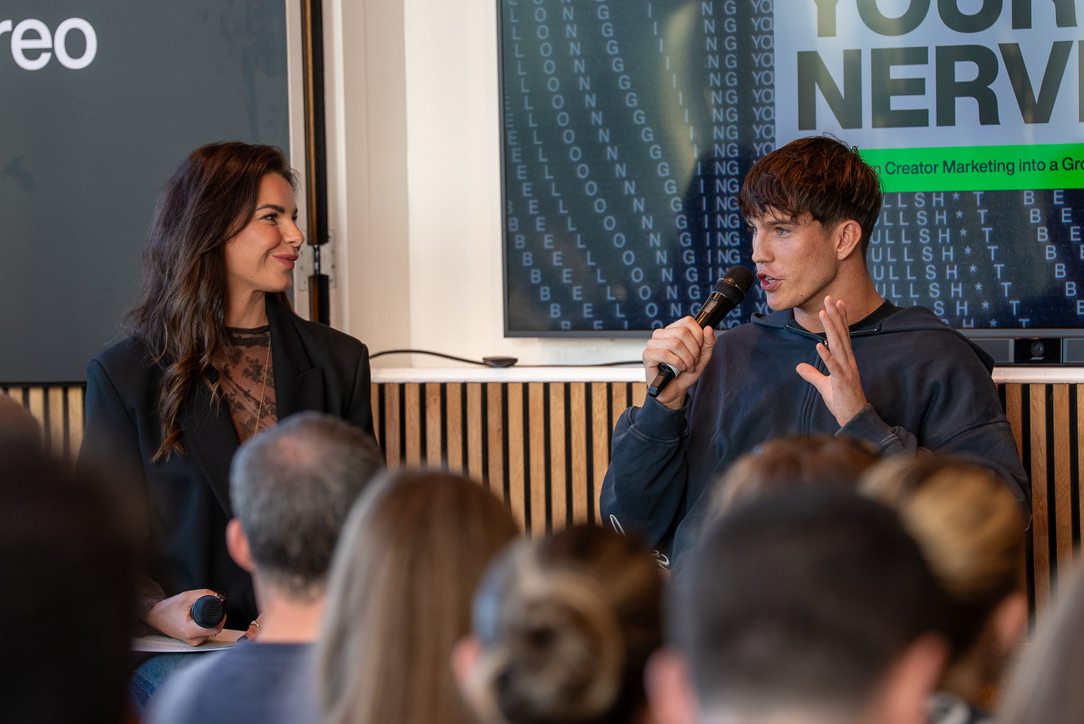
Both panels ended up in the same place. Audiences can tell when they’re being sold to. The brands that win give people, and creators, the trust and time to make something their own.
If you’d like the thinking behind our session, the full Find Your Nerve report is here. And if anything from the morning sparked a question about your own brand, drop me a line. I’m usually the one in your inbox asking for a meeting anyway, so I’d love it to be the other way round for once.