
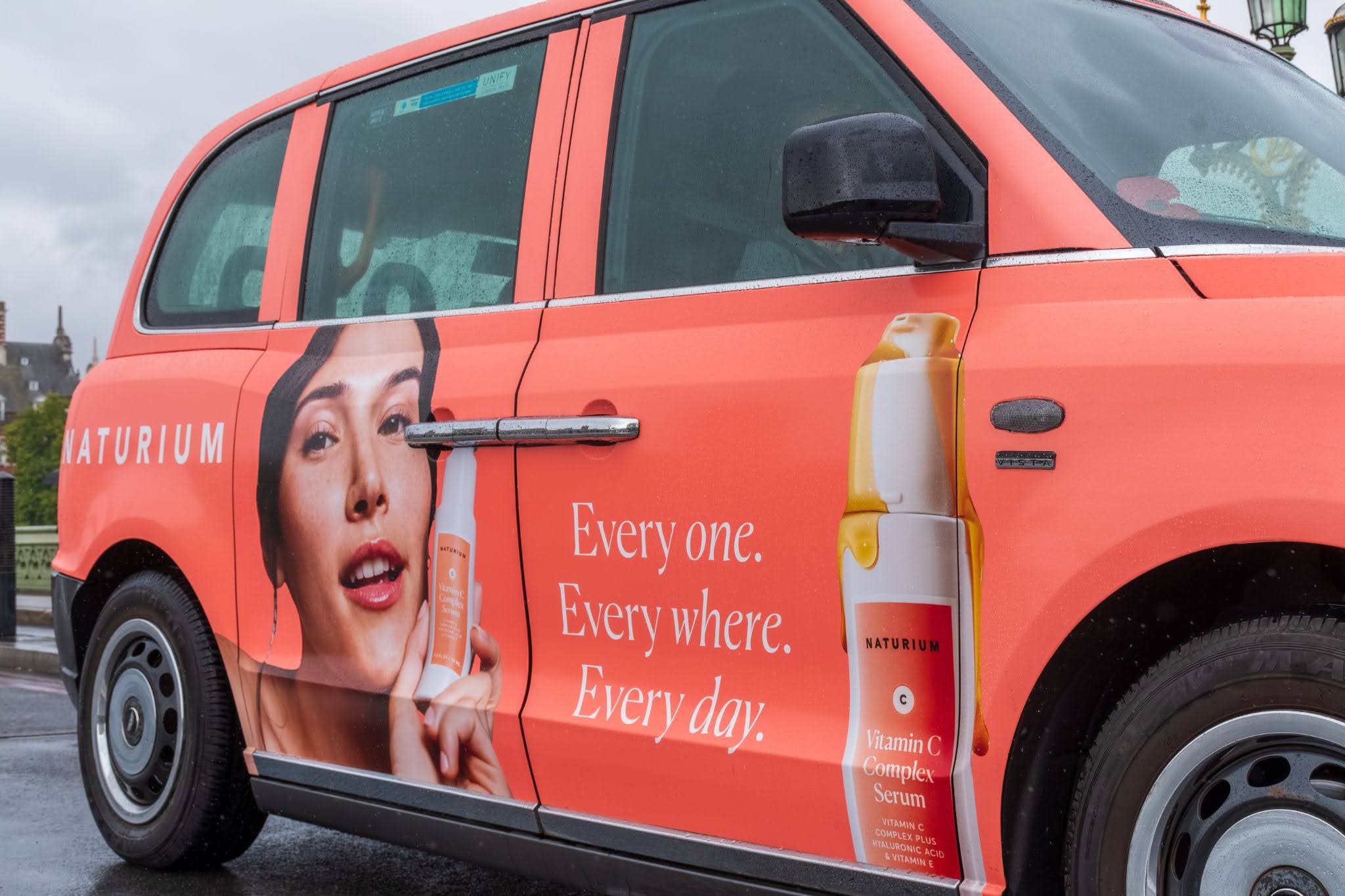
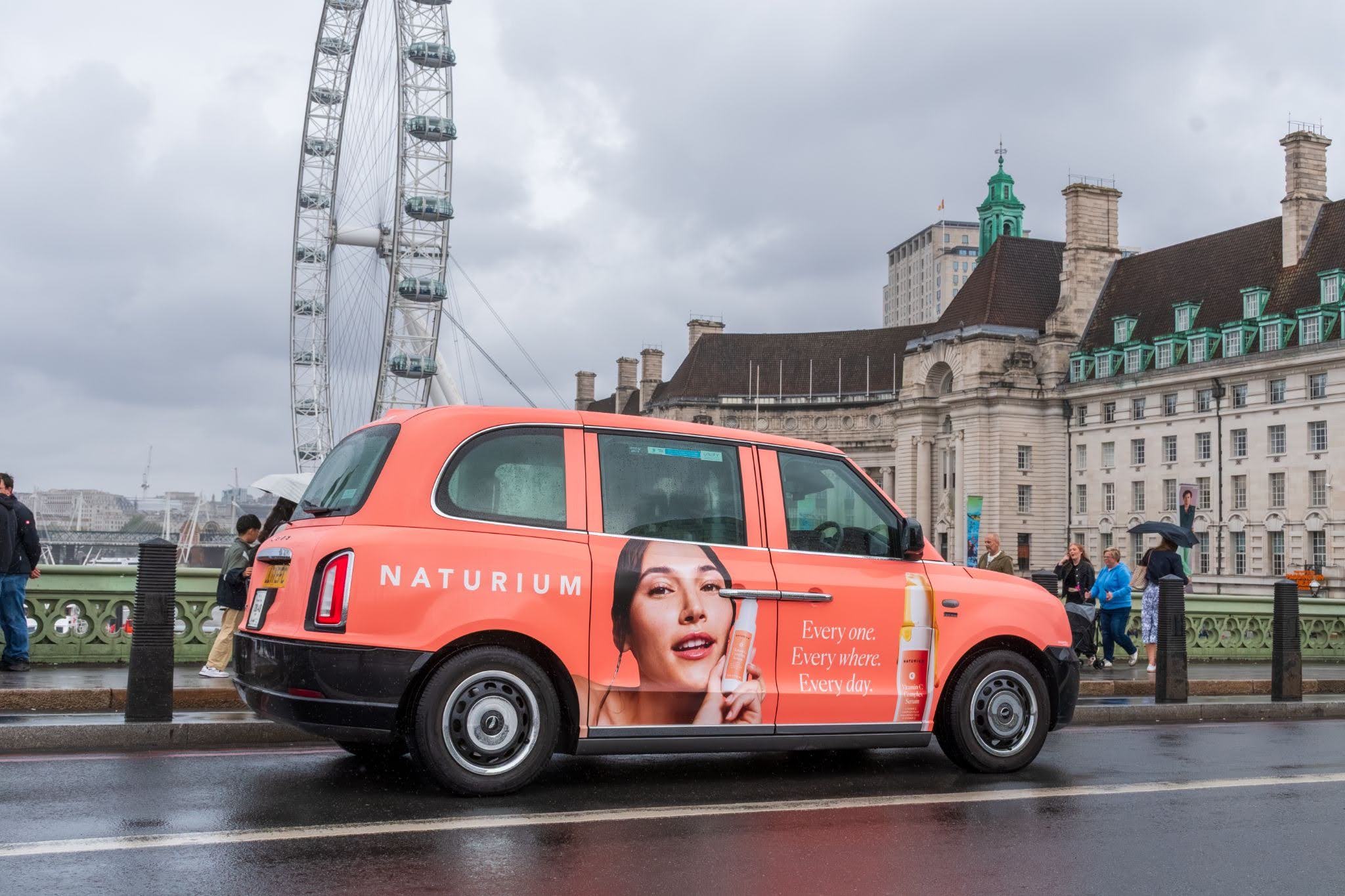
We are a digital marketing agency, yet in the last few months we have bought taxi supersides in New York and London, digital screens in London shopping centres, BVOD in the South East, and podcast campaigns across the US. We bought most of it for businesses that were born online and make almost all of their money there.

It’s the most interesting shift in planning I’ve seen in years, and it has very little to do with a fashion for nostalgia media.
Digital-native brands hit a ceiling. You optimise inside your addressable audience until the audience is exhausted, and every incremental pound buys a slightly more expensive version of someone who already knows you. Getting past that means buying reach you can’t target – the kind of media that digital-first brands have initially avoided.
You could say that the strategy question posed here was settled thirteen years ago. The Long and the Short of It put the efficient split at 60:40 in favour of brand building in 2013, and Effectiveness in Context landed at 62:38 in 2018. Then short-termism carried on growing anyway. The industry has blamed financial pressure, quarterly reporting and a proliferation of dashboards, but the actual reason is more boring. Performance media could easily produce a number for its own contribution and brand media couldn’t. Any CFO could justify that as a reasonable decision with the information at hand.
Now we can hand the CFO a number for brand media contribution. Our own platform, COmpass, built by our Chief Data Officer Dan Wilson, models the incremental return of every pound and reads retail sales, Amazon sales and media investment together across two or three years of history.
One of the most useful things it tells you about upper funnel media is timing. In one of our recent models, CTV and out of home carry an adstock of 0.95, which means roughly 5% of their effect lands in the first week, a third arrives within two months and two thirds arrives after that. Brand search sits at 0.1 and delivers almost everything immediately. So a four-week dashboard read will always make out of home look like a waste and search look like the winner, because you’re comparing a channel that pays out over a quarter with one that pays out almost immediately. Weekly reporting was never going to be fair to these channels. That is precisely the mechanism that makes the CFO nervous about brand budgets.
Once you can see the decay curve, the plans change. For TrustedHousesitters, a subscription business that had never run a non-digital channel, we made New York the test market for household-level brand building with CTV and taxi tops on the plan. Search demand for “pet sitting” in New York rose 83% against the comparable period the year before. Sign-ups rose by 17%. CTV over-delivered reach goal by 43%. COmpass modelling showed that brand channels were driving a quarter of US direct sessions, validating the data in the curves and the strategy of spending in sustained bursts. Their split between generating demand and capturing it has moved from roughly 28:72 to 51:49 in eighteen months, which for a company of this kind is a serious act of nerve.

Naturium, in its first UK campaign shows the other half of the argument – a brand that sells its product primarily through high street retail. Every digital out of home site we bought sits within 500 metres of a Boots or a Space NK, and our CTV campaigns were bought against specific skincare shoppers rather than a broad demographic.

For a brand that sells through shelves, planning around retail availability is critical. Buying national reach when your product is not in every store means you’re paying to build awareness in the wrong places. Distribution data has to run through planning and measurement both, otherwise you’re guessing at what worked.
Channel specialists optimise their channels, usually very well. But the power is in owning the complete, integrated plan – the phasing or the trade-off between the taxis, the CTV spot and the search and BOF lines that could get credited for all of it. It’s proper grown up planning, which you can’t do without a measurement spine.
That’s why we’re buying taxis for digital-first brands. Once a channel’s contribution can be measured, it stops mattering whether it’s a taxi top or a brand search line. It just needs to earn its place in the plan.